
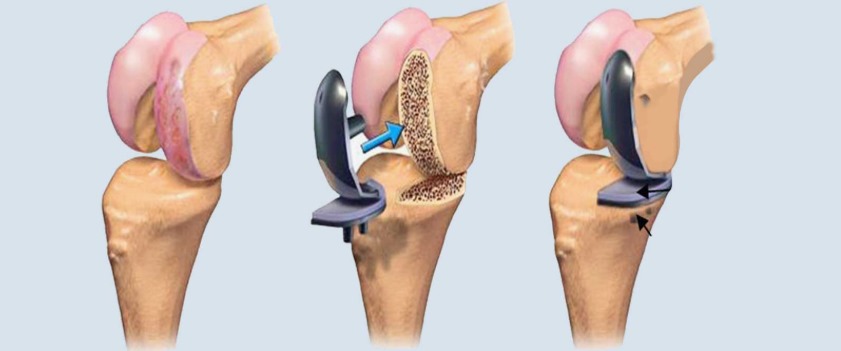
Joint replacement surgery can be life-changing for patients suffering from severe joint pain or loss of mobility. It is most commonly performed on the knees, hips, and shoulders when other treatments, such as medication, physical therapy, or lifestyle changes, fail to relieve pain or improve function.
Common signs that joint replacement may be needed include persistent pain during rest or daily activities, swelling, stiffness, and difficulty performing routine tasks like walking, climbing stairs, or lifting objects. Patients with advanced arthritis, severe joint degeneration, or injuries that have not responded to conservative treatments are often considered for surgery.
The goal of joint replacement is to restore pain-free movement and improve quality of life. Modern techniques, including minimally invasive surgery and rapid rehabilitation protocols, allow patients to recover faster and return to daily activities sooner. Consulting an orthopaedic specialist early helps determine the right time for surgery and ensures the best outcomes.